
Top Waterproofing Products for Reliable Protection
Explore the leading waterproofing solutions designed to safeguard your property from water damage effectively.
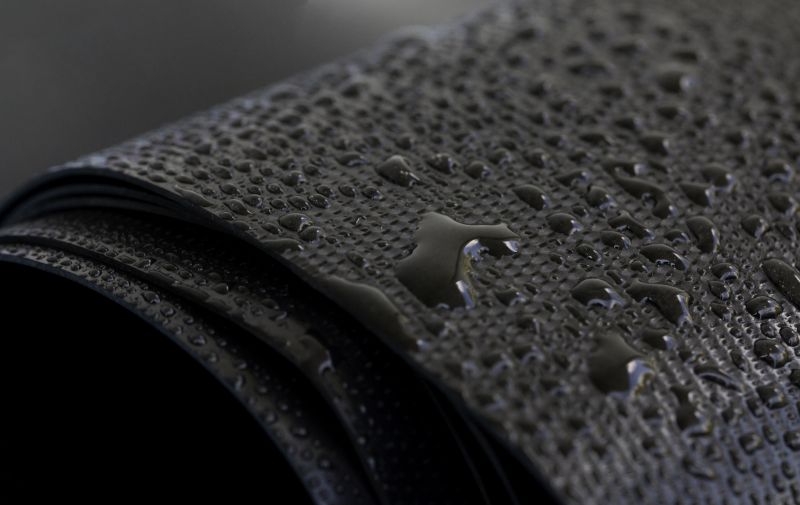 Waterproofing products are essential for protecting structures from water intrusion and damage. Whether dealing with basement leaks, roof vulnerabilities, or foundation cracks, choosing the right waterproofing solutions can help maintain the integrity of buildings and prevent costly repairs. These products come in various forms, including sealants, membranes, coatings, and barriers, each suited to different applications and surfaces. Proper application and selection are key to ensuring long-lasting protection against moisture and water penetration.
Top Overall Option
Liquid Waterproofing Membrane
A versatile liquid membrane offers seamless coverage and can be applied to various surfaces such as concrete, wood, and metal. It forms a flexible, durable barrier that resists water penetration and is suitable for both interior and exterior applications. Easy to apply with brush, roller, or spray, it provides a reliable solution for sealing cracks, joints, and vulnerable areas. Its adaptability makes it a popular choice for many waterproofing needs.
Types of Products For Waterproofings
Bituminous Coatings
Asphalt-based coatings provide a thick, protective layer ideal for roofs and foundations that require a durable, weather-resistant barrier.
Polyurethane Sealants
Flexible sealants suitable for filling cracks and joints, offering strong adhesion and water resistance in various construction applications.
Liquid Rubber Coatings
Elastomeric coatings that create seamless, waterproof layers on roofs, decks, and basements with excellent flexibility.
Waterproof Membranes
Sheet or roll membranes designed for foundational and roofing applications, providing a continuous water-resistant barrier.
Cementitious Waterproof Coatings
Ready-mixed cement-based coatings that are easy to apply on concrete and masonry surfaces for interior and exterior waterproofing.
Acrylic Waterproof Coatings
Water-based coatings suitable for roofs and walls, offering ease of application and good UV resistance.
Bitumen Sheets
Self-adhesive or torch-applied sheets used mainly for roofing and foundation waterproofing, known for their durability.
Hydrophobic Paints
Specialized paints that repel water and are used on exterior walls and surfaces prone to moisture exposure.
Sealant Tapes
Adhesive tapes designed to seal joints, seams, and cracks in various waterproofing applications, providing an extra layer of protection.
Polyethylene Sheeting
Heavy-duty plastic sheeting used as a vapor barrier or temporary waterproof cover for construction sites and repairs.
Spray-On Waterproof Coatings
Sprayable solutions that create waterproof layers on roofs, decks, and other surfaces with ease and uniform coverage.
Crack Repair Patches
Pre-formed patches used to seal cracks in foundations, walls, and floors to prevent water infiltration.
Popular Choices
A flexible liquid membrane commonly used for sealing surfaces and cracks, applicable to many waterproofing projects.
Heavy-duty asphalt-based coatings favored for their durability in roofing and foundation waterproofing.
Popular for filling and sealing joints, offering strong adhesion and water resistance.
Sheet or roll membranes widely used in foundation and roof waterproofing for continuous protection.
Easy-to-apply coatings suitable for concrete and masonry surfaces, providing reliable interior and exterior waterproofing.
Versatile coatings suitable for a variety of surfaces, appreciated for their ease of use and UV resistance.
Durable sheets used mainly on roofing and foundations, providing a reliable waterproof barrier.
Water-repelling paints that help protect exterior walls from moisture penetration.
Adhesive tapes for sealing seams and cracks, adding an extra layer of waterproofing.
Versatile plastic sheeting for vapor barriers or temporary waterproof covers during construction.
Convenient sprayable products for creating waterproof layers on various surfaces.
In residential settings, waterproofing is often used to safeguard basements, crawl spaces, and foundations. Commercial and industrial buildings may require more robust solutions such as waterproof membranes or liquid coatings designed to withstand harsher conditions. When selecting waterproofing products, factors such as the type of surface, exposure level, and environmental conditions should be considered. Using a combination of products tailored to specific needs can enhance overall water resistance.
Applying waterproofing materials correctly is crucial for their effectiveness. Surface preparation, proper curing times, and adherence to manufacturer instructions contribute to optimal results. Regular inspection and maintenance can also prolong the lifespan of waterproofing systems, especially in areas prone to heavy moisture or water exposure. Consulting with professionals or knowledgeable suppliers can help identify the most appropriate products and application methods for your specific project.
Overall, investing in quality waterproofing products can help protect property value and structural safety. From small DIY repairs to large-scale construction projects, understanding the options available ensures better decision-making and more reliable outcomes. Whether you are sealing a basement wall or installing a waterproof membrane on a roof, selecting the right products is a vital step toward effective moisture management.
Key Buying Considerations
- Identify the specific surface type and choose a compatible waterproofing product.
- Consider the environmental exposure, such as UV rays, water flow, and temperature fluctuations.
- Determine whether a liquid, membrane, or coating best suits your project needs.
- Evaluate the product’s durability and lifespan based on the location and expected water exposure.
- Check application requirements, including tools needed and curing times.
- Assess the flexibility of the product, especially for surfaces that may expand or contract.
- Look for products with good adhesion properties to ensure proper sealing.
- Consider ease of application, especially for DIY projects or large areas.
- Review compatibility with existing materials and surfaces to prevent adverse reactions.
- Examine the manufacturer’s instructions and recommended maintenance procedures.
- Factor in cost and coverage area to ensure the product fits within your budget.
- Verify if the product is suitable for interior, exterior, or both types of applications.
- Determine if the product requires primers or additional preparation steps.
- Assess the environmental conditions during application, such as temperature and humidity.
- Research any necessary safety precautions or ventilation requirements during application.